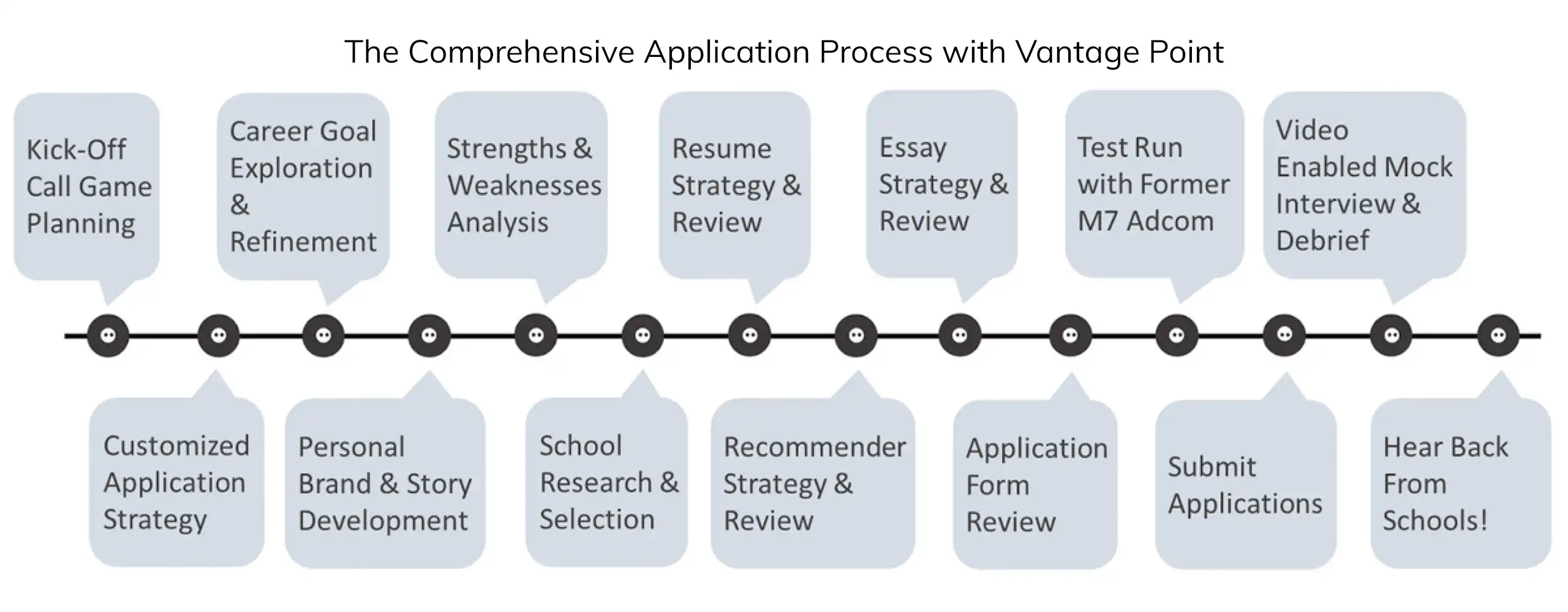
Don’t leave your Chicago Booth MBA application to chance!
Work with the best in the business so you too can become an MBA success story!
Request Consultation
About The Chicago Booth School Of Business
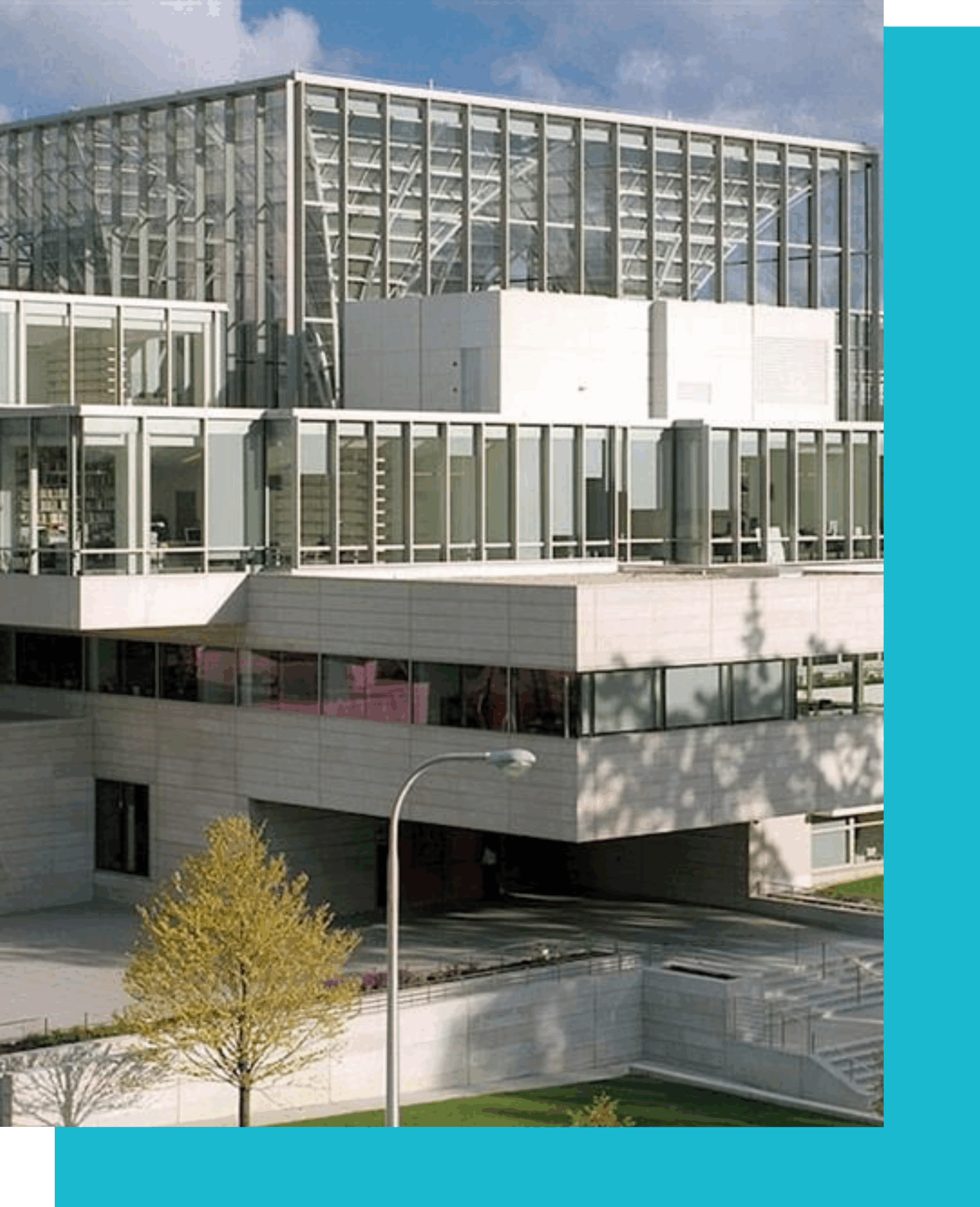
Flexible. Analytical. Collaborative. These words define the Chicago Booth approach to business education. Situated in the vibrant city of Chicago, Booth’s demanding, yet highly flexible curriculum, coupled with its influential research, prepares MBA students to tackle complex business challenges with confidence and make an impact on the world stage. Chicago Booth has two buildings dedicated to its business students, The Harper Center located on its main Hyde Park campus and The Gleacher Center situated by the river in the heart of downtown Chicago.
A distinguishing feature of Chicago Booth is its strong emphasis on intellectual freedom and flexibility, which encourages students to tailor their MBA experience according to their specific goals and interests. Booth’s unique “Flexible Curriculum” model includes only one required course (a leadership development course) and allows students to select all other courses based on their individual career ambitions and incoming level of business knowledge, fostering a customized academic journey. This freedom extends to courses offered in areas such as behavioral science, finance, and entrepreneurship, on which Booth has long produced thought leadership.
Booth’s Polsky Center for Entrepreneurship and Innovation offers extensive resources, including business incubators, funding opportunities, networking events, and its top-ranked accelerator program, the New Venture Challenge (NVC). Companies that have been successfully launched through the NVC include household names such as Grubhub, Braintree/Venmo, and Simple Mills. Students also benefit from the Kilts Center for Marketing and the Rustandy Center for Social Sector Innovation, each of which provides access to prominent faculty, dedicated career resources, and an expansive alumni network. This robust support system, along with Booth’s renowned analytical approach, equips students with the tools to drive meaningful change in their chosen fields, whether in established companies or new ventures.
The Core Values of Chicago Booth School of Business
At Chicago Booth, core values aren’t just talked about – they’re lived. Analytical Rigor is the school’s North Star, emphasizing data-driven decision-making and evidence-based approaches. Booth students are encouraged to question assumptions, dive deep into analysis, and apply logical, reasoned thinking across all business functions. This focus on intellectual rigor sets Booth apart as a thought leader in the business world.
Booth also emphasizes freedom of inquiry through its distinguished Chicago Approach education philosophy, fostering an environment where diverse perspectives are encouraged and students have the autonomy to customize their academic path. Chicago Booth focuses on building a strong foundation in subjects like economics, accounting, psychology, sociology, and statistics. These areas give students the tools to think critically, ask the right questions, and solve complex problems.
A commitment to Impact and Innovation underscores Booth’s drive to challenge the status quo. The program encourages students to take calculated risks, think entrepreneurially, and strive for meaningful contributions within and beyond their organizations. This focus on innovation is supported by Booth’s resources, such as the Polsky Center for Entrepreneurship and Innovation, which promotes creative thinking and provides robust support for aspiring entrepreneurs.
Finally, Booth values Community and Collaboration, believing that the power of shared learning and teamwork enhances both personal and professional development. The school cultivates a strong pay-it-forward environment where students support each other’s growth, share knowledge, and learn to lead with empathy and respect. Through global experiences, diverse perspectives, and a commitment to giving back, Chicago Booth prepares its graduates to make a positive impact in their organizations and communities worldwide. This pay-it-forward culture cultivates a lifelong network of supportive leaders, ensuring continued success and collaboration.
Chicago Booth Class of 2027 Profile
The Chicago Booth MBA Academic Experience
At Chicago Booth, intellectual curiosity is king. The program’s rigorous analytical focus, combined with an unprecedented degree of curriculum flexibility, allows students to tailor the experience to their needs and facilitates an environment of deep engagement. Small class sizes and personalized mentorship create a strong sense of community, fostering deep collaboration and lifelong connections.
After completing core courses in essential business disciplines like accounting, economics, and statistics, students at Booth have the freedom to choose from a wide array of electives across various disciplines, such as economics, entrepreneurship, finance, or analytics. This flexibility ensures that each student maximizes the learning in every course. Since almost every class includes group work, the flexibility of the program ensures that students complete all group work with peers who are genuinely interested in the topic and are equally challenged by the curriculum. Chicago Booth also allows students to take courses from other schools within the University of Chicago, further broadening their learning opportunities.
Booth’s academic experience is also enriched by its focus on experiential learning. Students engage in hands-on opportunities such as the Global Social Impact Fellowships, Chicago Booth’s global study programs, and various student-led consulting projects. These initiatives enable students to apply academic theories to real-world business challenges, gaining practical insights and a deep understanding of global markets.
A hallmark of Booth’s academic environment is its emphasis on intellectual curiosity through its distinguished Chicago Approach education philosophy. Students are encouraged to challenge conventional thinking, approach problems analytically, and take calculated risks in pursuit of innovative solutions. The culture of inquiry and rigorous intellectual debate permeates the classroom, allowing students to grow through exposure to different perspectives and diverse academic expertise.
Chicago Booth’s collaborative and respectful learning culture fosters a safe environment for taking intellectual risks, where students are supported by their peers and faculty. Booth’s grading system also ensures a focus on learning and collaboration rather than competition. Through its open and engaging environment, students are empowered to explore new subjects, expand their intellectual boundaries, and make bold decisions for their professional futures.

What Is Chicago Booth Really Looking For?
The Chicago Booth MBA class profile offers a glimpse of the diversity within the student body, but it doesn’t fully capture what the admissions team is looking for in applicants. While the school’s evaluation criteria provide some direction, applicants often find it challenging to apply them to their own situation.
However, we’ve identified three key qualities that all Chicago Booth admits tend to share:
1. A Strong Sense of Purpose
Chicago Booth has a long history of developing impactful leaders, and the school is looking for applicants who show an appetite for driving meaningful change. Whether through starting a new venture or leading transformational projects within existing organizations, Booth values applicants who are motivated by the opportunity to create impact. The flexibility of the program demands students who are ready to craft a purposeful MBA experience, thrive in ambiguity, and challenge established norms. By highlighting their drive to make an impact, applicants position themselves as future leaders capable of navigating the ever-changing business landscape and leaving a lasting mark on their industries and communities.
2. Intellectual Curiosity
Chicago Booth seeks applicants who have a deep desire to understand complex problems and approach challenges with intellectual curiosity. The program values individuals who are excited about asking tough questions, thinking critically, and engaging with ideas that push the boundaries of conventional wisdom. A strong academic background, paired with a genuine love for analytical thinking and exploration, will help applicants demonstrate the intellectual drive Booth values. By showcasing a passion for rigorous thought, applicants can position themselves as individuals who will thrive in Booth’s challenging academic environment.
3. A Growth Mindset
The school values students who are reflective and open to learning from their past experiences. It’s not just about recognizing achievements, but about understanding how those experiences have shaped their character and leadership style. Applicants must reflect on their career journey, acknowledge areas of strength and areas for growth, and show a commitment to continuous self-improvement. Those who demonstrate an openness to constructive feedback and a willingness to learn from failure will stand out as candidates prepared to make the most of Booth’s collaborative and dynamic learning environment.
Chat with an expert about your fit for Chicago Booth
Sign Up for a Free Consultation
The Chicago Booth MBA Application Process
Chicago Booth, like other top MBA programs, follows a holistic admissions process that evaluates the entirety of an applicant’s profile, not just quantitative metrics like GMAT scores or GPA. The admissions team is interested in understanding your unique experiences, leadership potential, intellectual curiosity, and ability to contribute to the Booth community.
Deadlines:
- Round 1: September 15, 2026
- Round 2: January 7, 2027
- Round 3: April 1, 2027
Application Requirements:
-
- Completed Application Form: Applicants must submit an online application via the Chicago Booth admissions portal.
- Transcripts: Applicants must submit unofficial scans of their transcripts, taking care to submit both sides of each one. They should not send official transcripts until they receive an offer of admission, because they will not be added to their file.
- GMAT or GRE Scores: Applicants must submit scores from either the Graduate Management Admission Test (GMAT) or the Graduate Record Examination (GRE). Chicago Booth does not accept test superscores.
- Resume: A resume should highlight the professional experiences that make an applicant a good candidate for the Full-Time MBA Program.
- Essays: All candidates are required to submit responses to the following four prompts (300 character limit per response):
1. What is your immediate post-MBA career goal?
2. What is your long-term post-MBA career goal?
3. Upload an image and explain its significance to you.
4. Share a fun fact or something unique about yourself. - Optional Short-Answer Question: Is there any unclear information in your application that needs further explanation or additional details you would like to share with the Admissions Committee? If so, please use this section to clarify. (300 word maximum)
- Reapplicant Question: Upon reflection, how has your perspective regarding your future, Chicago Booth, and/or getting an MBA changed since the time of your last application? (Maximum 300 words)
- Letters of Recommendation: One letter of recommendation from a supervisor is required. Chicago Booth is looking for objectivity in the letter, and they want to hear from someone who can assess both the candidate’s strengths and weaknesses. A second letter of recommendation is allowed and is optional.
- Interview: Interviews are granted on an invitation-only basis after evaluation of a submitted application. Candidates invited to interview will be contacted with instructions on how to schedule an interview.Interviews are held virtually. If you receive an invitation, you will have one interview, conducted by a current student or other member of the Booth community. All interviews, regardless of who conducts them, receive equal weight in the evaluation process. An interview is required for admission. However, completing an interview does not guarantee admission.
In addition to the interview, you’ll also be asked to complete a brief virtual interactive exercise designed to complement the conversation and provide another perspective on your candidacy. More details will be shared with your interview invitation.
(Note to candidates: the interactive exercise is new for the 2026-2027 cycle, and therefore Vantage Point will have more information about its specifics only once R1 interview invitations go out in approximately October/November 2026.)
- English Language Proficiency: Non-native English speakers may be required to submit proof of English proficiency through tests such as the TOEFL, IELTS, PTE, or Duolingo English Test unless they have completed a degree in an English-speaking country.
- Application Fee: A non-refundable application fee is required with submission, although applicants may request a fee waiver if they meet certain criteria, such as financial hardship or military service.

Chicago Booth MBA Essay Tips
As of the 2026-2027 application cycle, Booth has replaced its two 250-word minimum essays with four short-answer prompts of 300 characters each (~45-60 words each). This rewards candidates who have done their personal branding work and know clearly who they are and why they want an MBA.
Prompts 1 & 2 (Career Goals): Write these in parallel. Be precise, as you have only ~90-120 words total.
For your short-term goal, state exactly what you’ll do right after business school. Focus on the essentials: job title, function, industry, target companies, and geography. Show that you’ve researched your path and can realistically land this role given your existing skills, network, and the additive qualities of a Booth MBA.
Your long-term goal is more flexible on timeline; it could be a dream role, senior position, or the impact/problem you hope to solve. If space allows, add context: how your goals will evolve or the “why” behind them. This helps the committee know you more deeply.
Prompts 3 & 4 (Personal): These prompts shift to the values, perspectives, or traits that distinguish you from other applicants. Choose two different traits (one per prompt), ideally ones that are aligned with Booth’s culture.
For prompt 3, immediately identify what the photo you chose represents (the value or trait) and then give an illustrative example of you living it.
For prompt 4, explain the fun fact with vivid illustrative examples and then show how it will enrich your classmates or the Booth community, naming a specific club or other resources.
For all of the prompts, don’t mistake brevity with ease. Although your answers will be short, that doesn’t mean it will be easy to answer them. The limited length means that you must be ruthless with your intended message – and every word has to carry its weight.
If Chicago Booth is on your list of dream schools, your next step is to request a free consultation with our team at Vantage Point MBA. We’ll share candid advice on your profile, answer your questions, and walk you through our services & pricing so you understand exactly how we can help you get accepted.
Frequently Asked Questions (FAQs)
What is the minimum GMAT score for Chicago Booth?
While there is no official “minimum” GMAT score for Chicago Booth, the reported GMAT score range for admitted students in the class of 2027 is between 690 and 770 (legacy test) and between 615 and 725 (GMAT Focus), indicating that a score significantly below 690 would be considered very weak for admission consideration.
Does Chicago Booth prefer the GRE or the GMAT?
From their website, “Booth accepts scores from the GMAT and GRE exams. We do not have a preference on which exam you take”, and they mean it. They truly do not have a preference, so we recommend choosing whichever exam is a better fit for you.
What is the cost of attending Chicago Booth?
The cost of attending Chicago Booth is around $132k per year (2026-2027 estimated cost of attendance). This number includes the estimated cost of books, housing, personal expenses, and transportation.
Does Chicago Booth offer scholarships or financial aid?
The majority of Chicago Booth students fund their MBA through student loans, repaying them within 10 years of graduation. Chicago Booth also offers merit-based scholarships for MBA students and fellowships to select admitted students, and they encourage applicants to explore external funding sources, such as foundations, corporations, and associations.
There is no formal application process for merit-based scholarships, as all applicants are considered based solely on the information provided in their application. Scholarship decisions are based on factors including academic merit, prospective concentration, the quality of the interview, competitiveness, career goals, and life experiences. Award amounts and notification timelines vary by program, with some recipients being notified at the time of admission and others shortly thereafter. For more details, visit the Chicago Booth financial aid page.
Can I reapply if I am not admitted to the Chicago Booth program?
Certainly, if your first application to the Chicago Booth MBA program is not successful and you are not admitted, you have the option to submit a new application in the following year.
Don’t leave your Chicago Booth MBA application to chance!
Work with the best in the business so you too can become an MBA success story!
Request Consultation
Learn About Our Services
Meet The Vantage Point MBA Team